
Immigration, Refugees and Citizenship Canada (IRCC) has initiated 2026 with significant policy implementations stemming from the updated multi-year levels plan, alongside active management of permanent residence intake systems.
This month’s overarching theme indicates a transition from rapid growth toward stabilizing Canada’s immigration framework. The government is prioritizing economic needs and managing temporary resident volumes, while continuing to process applications across core business lines.
Below is a summary of key immigration developments that occurred throughout January 2026.
Implementation of the 2026–2028 Immigration Levels Plan
The new year marks the commencement of the 2026–2028 Immigration Levels Plan. IRCC has signaled a strategic shift designed to align immigration intake with Canada’s infrastructure and housing capacities.
Key aspects of the 2026 targets include:
- Stabilized Permanent Resident Targets: The target for new permanent resident admissions in 2026 has been set at 380,000. This represents a measured decrease compared to 2025 figures, reflecting the government’s objective of stabilizing population growth.
- Increased Economic Focus: The proportion of admissions allocated to economic immigration has increased to approximately 64%. IRCC is prioritizing skilled workers positioned to address specific, persistent labour market shortages.
- Temporary Resident Reduction: Concurrent with permanent residency goals, the government is continuing efforts to reduce the non-permanent resident population to 5% of Canada’s total population by 2027.
Reforms to the International Student Program
January saw the enactment of several previously announced measures regarding international student admissions and post-graduation employment.
- 2026 Study Permit Cap: IRCC has established an overall cap of 408,000 study permits for 2026. This total includes approximately 155,000 new arrivals and 253,000 extentions, representing a 7% reduction from the 2025 target.
- Master’s and Doctoral Exemptions: Effective January 1, 2026, students pursuing Master’s and doctoral degrees at public Designated Learning Institutions (DLIs) are officially exempt from the national study permit cap and the requirement for a Provincial Attestation Letter (PAL).
- PGWP Field of Study Freeze: On January 15, 2026, IRCC confirmed a freeze on the list of eligible fields of study required for certain Post-Graduation Work Permit (PGWP) applicants. No programs will be added or removed during the 2026 calendar year.
- Note: Field-of-study requirements generally apply to graduates of college or non-degree programs who applied for study permits after November 1, 2024. Graduates of Bachelor’s, Master’s, and PhD programs remain exempt from these specific field requirements.
Express Entry Operations: January Draws
IRCC maintained active intake through the Express Entry system in January, continuing a recent trend of prioritizing specific program categories over general “all-program” rounds.
Recent invitation rounds included:
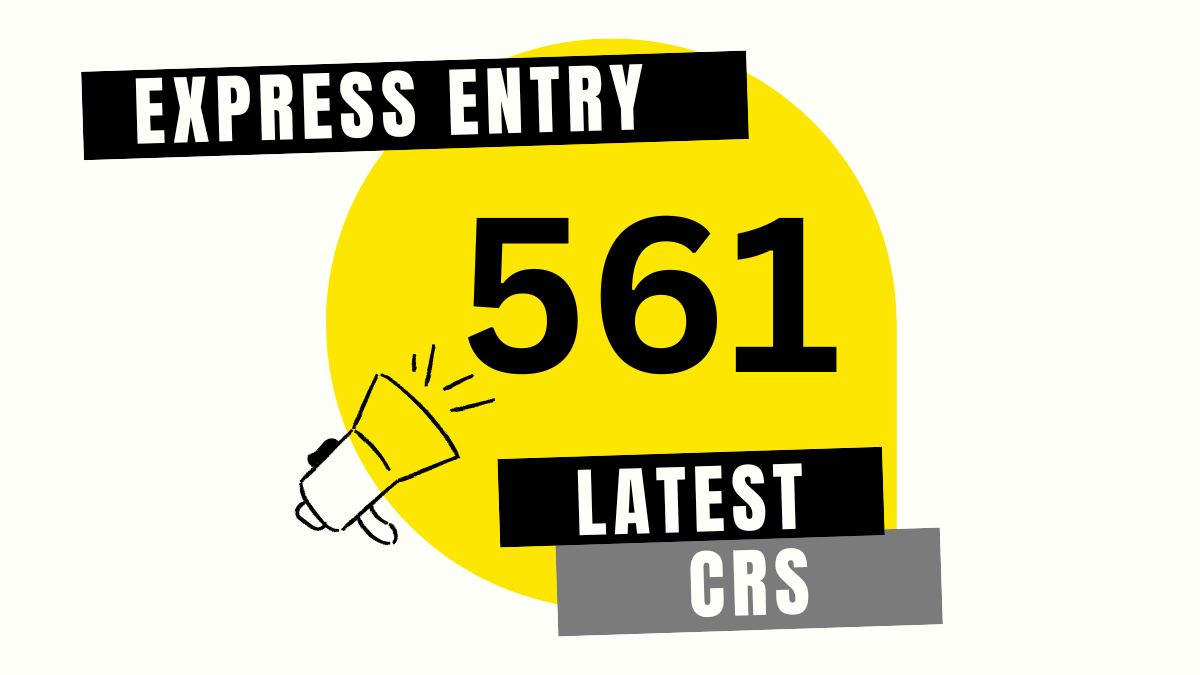
- January 21, 2026 (Draw #392): A targeted draw for the Canadian Experience Class (CEC) issued 6,000 Invitations to Apply (ITAs). The minimum Comprehensive Ranking System (CRS) score was 509.
- January 20, 2026 (Draw #391): A targeted draw for the Provincial Nominee Program (PNP) issued 681 ITAs to candidates with a minimum CRS score of 746.
The data suggests a continued reliance on category-based selection to meet specific economic goals and reinforce provincial nomination efforts.
Operational Updates and Processing Times
On January 23, 2026, IRCC updated its estimated processing times across various lines of business.
Applicants should note that processing times are historical averages and subject to change based on application volume and operational capacity.
- Improvements Noted: Reductions in average processing times were observed for Citizenship grants (now approximating 13 months) and Permanent Resident Card renewals (averaging 35 days). Visitor visa processing has also improved for certain regions.
- Volatility: Processing times for various categories of work permits currently show increased volatility depending on the applicant’s country of origin.
Special Measures Extension
On January 16, 2026, the Government of Canada announced an extension related to the Ukraine family reunification pathway. Eligible Ukrainian nationals waiting for permanent residence decisions now have until March 31, 2027, to apply for extensions of their temporary status, including work and study permits.
Disclaimer: This summary is for informational purposes only and based on IRCC announcements as of January 31, 2026. Immigration policies and instructions are subject to change without notice. For official guidance, always refer to the Immigration, Refugees and Citizenship Canada website.
 By
By